The Bahmani sultanate
Gulbarga (Kalaburagi) fort, Karnataka
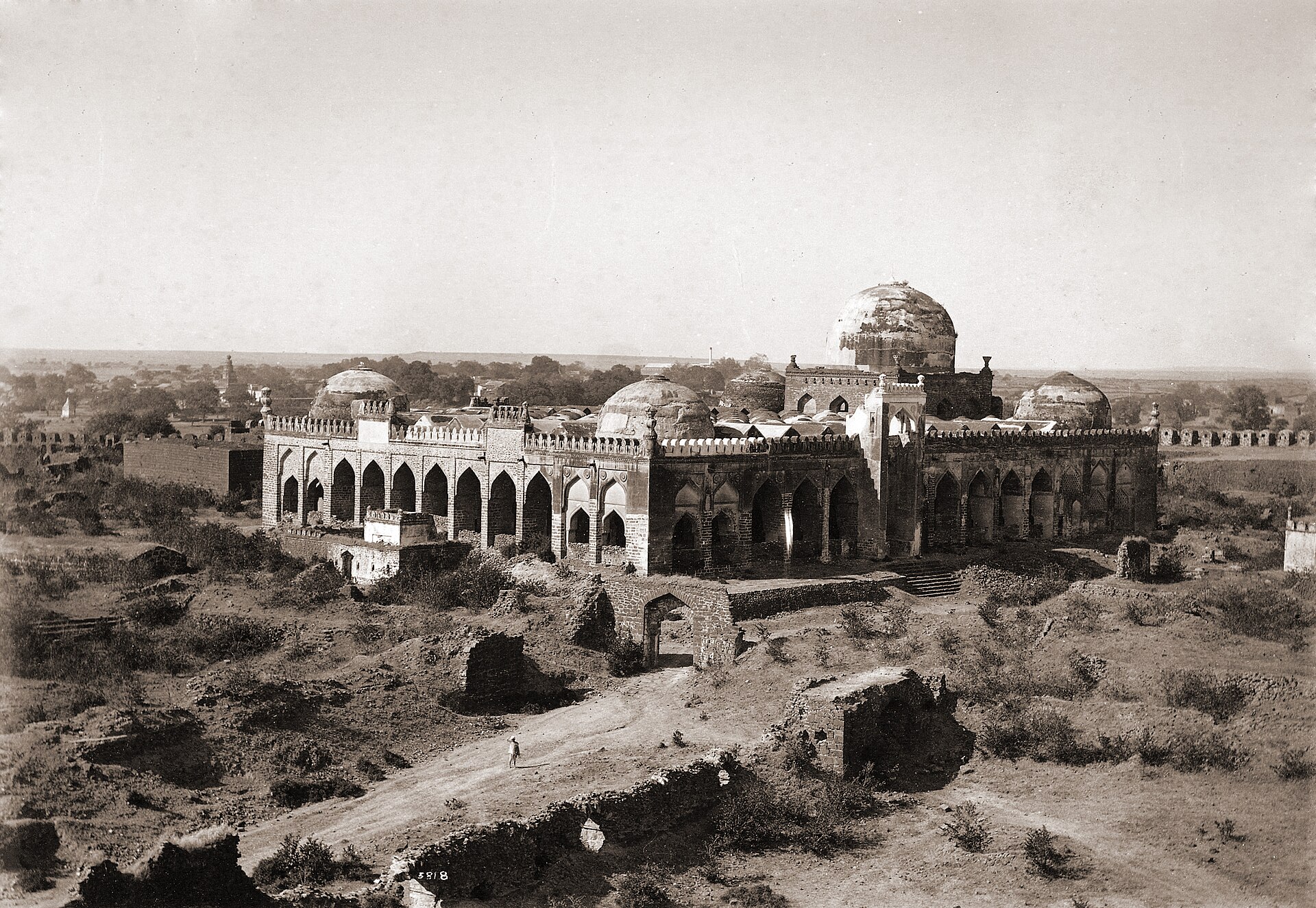
On 3 August 1347 rebel Deccan amirs proclaim Alauddin Hasan Bahman Shah sultan; ruling from Gulbarga, he ends Delhi's hold on the Deccan.
The revolt began in 1345 among the centurion amirs, officers of the Deccan provinces whom Muhammad bin Tughluq had threatened with punishment. They seized Daulatabad and raised one of their number, Ismail Mukh, to the throne; he stood down in favour of the commander Hasan, who took the title Alauddin Bahman Shah. Hasan made Gulbarga his capital, and his successors moved to Bidar in the 1420s.
The Bahmani state set the Deccan's political line for two centuries: a sultanate north of the Krishna facing Vijayanagara across the Raichur doab. When it broke up between 1490 and 1527 into the sultanates of Bijapur, Ahmadnagar, Berar, Golconda and Bidar, they inherited the same frontier.
The dynasty's name is argued over. Its court claimed descent from Bahman, a legendary king of ancient Iran; Firishta repeats a story that Hasan had once served a Brahmin astrologer named Gangu, hence the name Hasan Gangu. Modern historians treat the Gangu story as legend and the Persian genealogy as a claim to prestige.
- state-formation
- political