The Bardoli satyagraha
Bardoli, Surat district
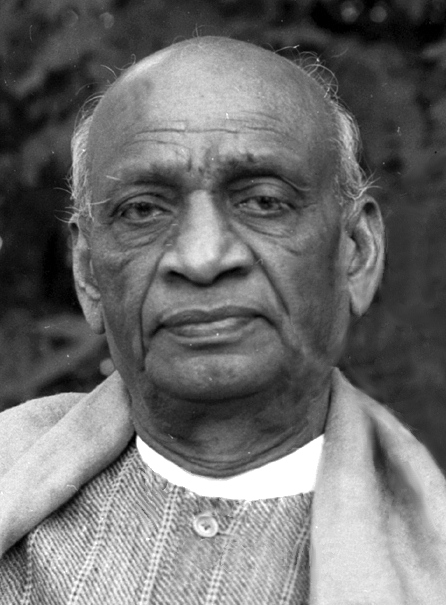
Bardoli's farmers refuse a 22 per cent rise in land revenue in 1928; an inquiry cuts it to about 6 per cent, and Vallabhbhai Patel becomes Sardar.
The Bombay government's revision settlement raised Bardoli taluka's land revenue by about 22 per cent, and the cultivators held that the increase rested on faulty figures. In February 1928 Vallabhbhai Patel agreed to lead a refusal to pay, on condition that the villages hold out to the end. He divided the taluka into camps run by volunteers, issued a daily news-sheet, and drew women into the campaign in large numbers. The government seized buffaloes and household goods, sold land to outsiders for nominal sums, and brought in Pathan enforcers; villagers locked their houses and kept their cattle indoors, and buyers of seized land were boycotted.
Gujarat's members of the Bombay Legislative Council resigned their seats in protest, and K. M. Munshi resigned his after touring the villages. In August the governor conceded an inquiry, the release of prisoners and the return of seized land. The inquiry, by R. S. Broomfield and R. M. Maxwell, reported in May 1929 and cut the increase to about 6 per cent, roughly a quarter of what the government had fixed.
The campaign gave Patel the title Sardar, chief, and tradition credits the women of Bardoli with first using it. Bardoli became the model for Gandhian peasant satyagraha, disciplined, local and sharply limited in its demand.
- political
- colonial