The Ilbert Bill and the first Congress
Gokuldas Tejpal Sanskrit College, Gowalia Tank, Bombay
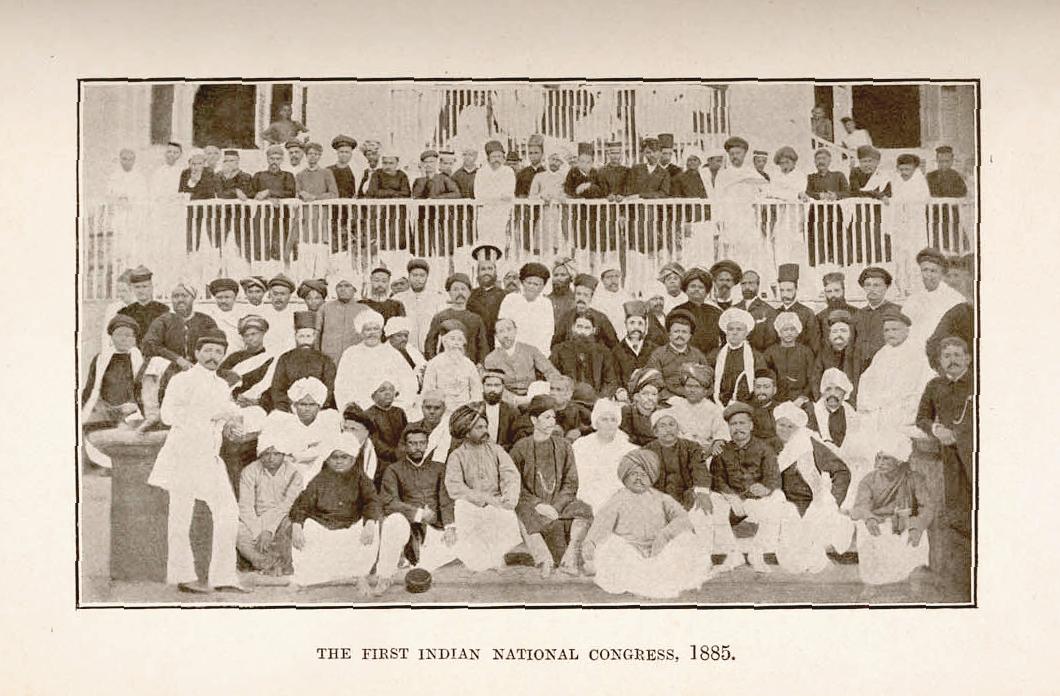
After the European outcry against the Ilbert Bill, 72 delegates meet in Bombay on 28 December 1885 as the first Indian National Congress.
Lytton's Vernacular Press Act of 14 March 1878 let magistrates seize Indian-language papers that printed "seditious" matter; English-language papers were exempt, and the Amrita Bazar Patrika of Calcutta switched to English almost overnight to escape it. Ripon, who succeeded Lytton in 1880, repealed it. In February 1883 his law member, Courtenay Ilbert, introduced a bill to let Indian district magistrates and sessions judges try European defendants. The planters and merchants of Calcutta campaigned against it so hard that in January 1884 the government gave way: a European could demand a jury at least half European.
Educated Indians drew the lesson that organisation counted. Surendranath Banerjea's National Conference met in Calcutta in December 1883, and two years later the Indian National Congress, moved from Poona by an outbreak of cholera, met at the Gokuldas Tejpal Sanskrit College by Gowalia Tank, with W. C. Bonnerjee presiding. Its first resolutions asked for civil service examinations in India as well as London, elected members on the legislative councils, and lower military spending.
A. O. Hume, a retired civil servant, did much of the organising. In words his biographer William Wedderburn printed in 1913, Hume called the Congress a "safety-valve for the escape of great and growing forces", and the phrase stuck. Later historians have given it less weight than the decade of Indian associations in Bombay, Poona, Calcutta and Madras that came before the Congress.
- political
- colonial